How to Support Healthy Blood Sugar Naturally (After 40)
| The idea | Steady blood sugar comes from steady habits — the meal, the walk, the sleep — not one magic food. |
| Biggest levers | Protein + fibre at meals, a short walk after eating, fewer sugary drinks. |
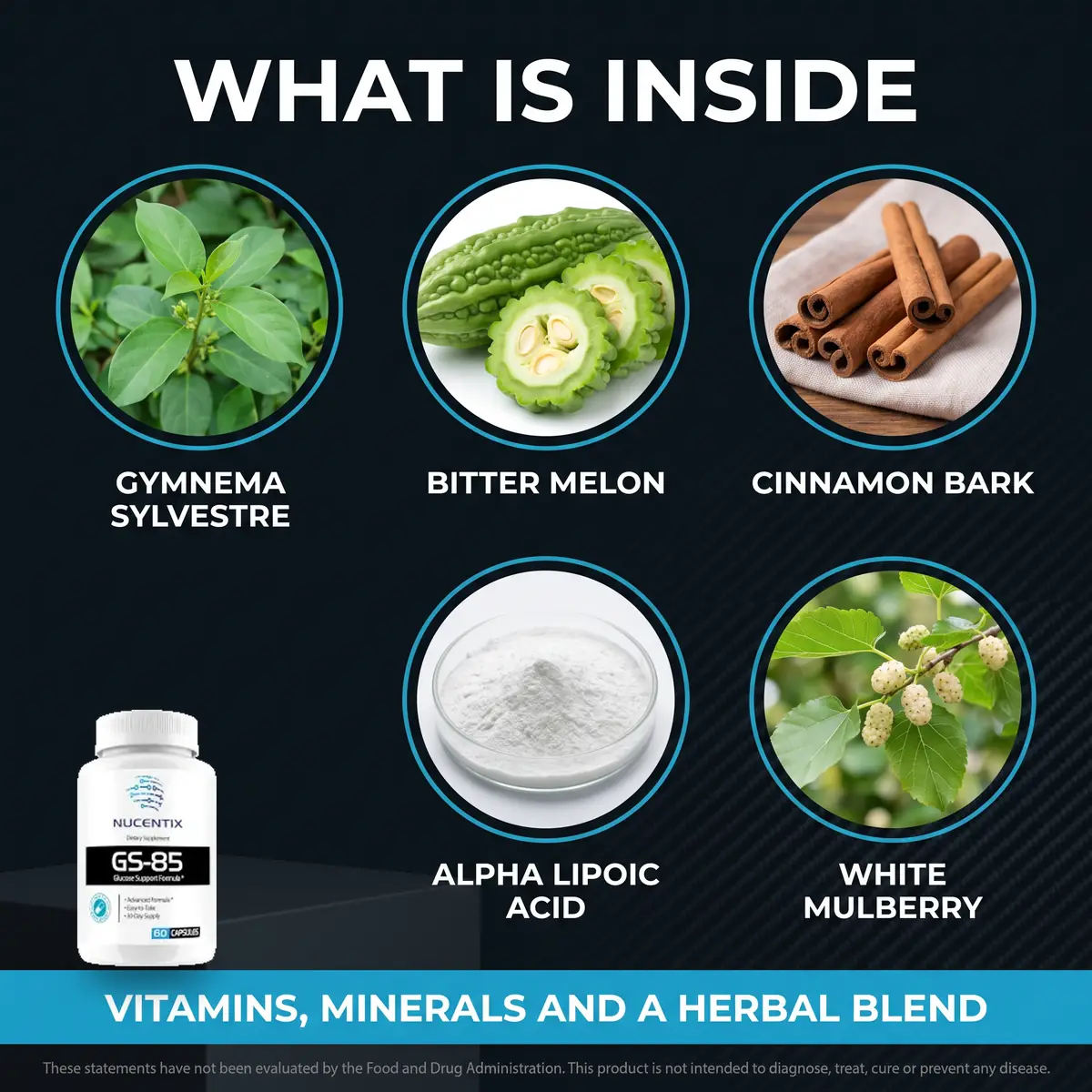
| Helpful nutrients | Chromium and biotin, magnesium and zinc, plus botanicals like cinnamon, gymnema and bitter melon. |
If your energy rises and falls like a rollercoaster — a burst after breakfast, a hard crash by mid-afternoon, and cravings that seem to run the show — you are feeling the everyday side of blood sugar. The good news is that for most healthy adults, the swings are highly responsive to a handful of ordinary habits. You do not need a dramatic overhaul; you need a few reliable levers you can pull every day. This guide walks through the ones that matter most, and where nutrients and botanicals fit in.
Why blood sugar swings get worse with age
Two things tend to happen as we move through our 40s and 50s. First, diets quietly narrow — more convenience food, more refined carbohydrate, fewer whole plants. Second, the body’s handling of glucose becomes a little less forgiving, so the same slice of cake produces a bigger spike and a steeper crash than it did at 25. Add in less sleep and more stress, both of which nudge blood sugar upward, and you have a recipe for the afternoon slump so many people describe. None of this is a diagnosis — it is simply the everyday physiology that makes a steadier routine more valuable with age.
Build every meal around the plate, not the pill
The single most powerful thing you can do is change the shape of your meals. When carbohydrate arrives on its own — a bagel, a bowl of cereal, a sweet coffee — it hits fast. When you pair that carbohydrate with protein, fibre and a little healthy fat, digestion slows and the rise is gentler and flatter. In practice that means anchoring each meal with something like eggs, fish, chicken, beans or Greek yoghurt; filling half the plate with non-starchy vegetables; and treating bread, rice and pasta as the side, not the centre. Harvard’s nutrition researchers make the same point: the type and company of your carbohydrates matter at least as much as the amount.
A few simple swaps go a long way: whole fruit instead of fruit juice, whole grains instead of refined, and water or unsweetened drinks instead of soda. Sugary drinks are worth singling out because they deliver a fast, large glucose load with nothing to slow it down.
Want daily glucose support in one step?
Nucentix GS-85 pairs chromium and biotin with a 12-herb blend of cinnamon, gymnema, bitter melon and more — two capsules a day, backed by a 60-day guarantee.
See Nucentix GS-85 PackagesMove a little, right after you eat
You do not need a gym to blunt a post-meal spike — you need a walk. Muscles pull glucose out of the bloodstream when they contract, so even 10 to 15 minutes of easy walking after a meal can noticeably flatten the curve. If a post-dinner stroll is the only exercise you manage, it is one of the highest-return habits on this list. Over time, adding a couple of strength sessions a week builds more muscle, and more muscle means more places for glucose to go.
Do not underestimate sleep and stress
One short night can make the body less responsive to insulin the very next day, and chronic stress keeps the hormone cortisol elevated, which pushes glucose up. Protecting seven to nine hours of sleep and building in genuine downtime are not soft extras — they are part of blood-sugar management. If you fix your plate and your walks but ignore your sleep, you are leaving one of the biggest levers untouched.
Where nutrients and botanicals fit in
Once the fundamentals are in place, certain nutrients are worth knowing about. Chromium is the trace mineral most often connected to normal macronutrient metabolism, which is why it anchors most glucose-support formulas; it is commonly paired with the B-vitamin biotin. Magnesium and zinc play supporting roles in hundreds of enzyme reactions, including those tied to how the body uses energy, and modern diets often fall short of both. Antioxidants such as vitamin C and vitamin E help the body manage everyday oxidative stress.
On the botanical side, several plants have a long history of traditional use around blood sugar: cinnamon bark, gymnema sylvestre (nicknamed the “sugar destroyer” for its role in curbing sweet cravings), bitter melon, banaba and white mulberry leaf. These are the kinds of ingredients you will find combined in a formula like Nucentix GS-85, which brings chromium, biotin and a 12-herb blend into two daily capsules. A supplement like this is designed to support the habits above — not to replace them, and certainly not to treat any medical condition.
A simple, realistic routine
Put it together and a day might look like this: a protein-forward breakfast; a short walk after lunch; whole-food snacks that pair carbohydrate with protein; water instead of sweet drinks; a proper wind-down before bed; and, if you choose, a daily glucose support supplement taken with a meal. None of these steps is dramatic on its own. Stacked together and repeated, they are what actually moves the needle.
† These statements have not been evaluated by the FDA. Nucentix GS-85 is not intended to diagnose, treat, cure or prevent any disease, and is not a treatment for diabetes. This article is for general information only and is not medical advice. If you have a medical condition or take medication, talk to your doctor before changing your diet or starting a supplement.
Frequently asked questions
What is the fastest natural way to steady blood sugar?
There is no instant fix, but the highest-impact everyday habits are building meals around protein, fibre and healthy fat, walking for 10 to 15 minutes after eating, and cutting back on sugary drinks. These reduce the size of the spike after a meal and the crash that follows.
Which nutrients are linked to healthy glucose metabolism?
Chromium is the trace mineral most associated with normal macronutrient metabolism, and it is often paired with biotin. Magnesium, zinc and antioxidants like vitamin C and vitamin E play supporting roles, and several botanicals such as cinnamon, gymnema and bitter melon have a long history of traditional use around blood sugar.
Can a supplement replace diet and exercise for blood sugar?
No. A supplement is meant to support, not replace, the fundamentals. Food choices, movement, sleep and stress management do the heavy lifting; a glucose support formula is designed to complement those habits, not stand in for them.
Ready to make glucose support a daily habit?
Two capsules a day, chromium plus a 12-herb blend, and a 60-day money-back guarantee on the official store.
Order Nucentix GS-85References
1. National Institutes of Health, Office of Dietary Supplements — Chromium Fact Sheet for Consumers. ods.od.nih.gov/factsheets/Chromium-Consumer
2. Centers for Disease Control and Prevention — Manage Blood Sugar. cdc.gov/diabetes/managing/manage-blood-sugar.html
3. Harvard T.H. Chan School of Public Health, The Nutrition Source — Carbohydrates and Blood Sugar. hsph.harvard.edu/nutritionsource/carbohydrates/carbohydrates-and-blood-sugar
4. Mayo Clinic — Diabetes management: How lifestyle, daily routine affect blood sugar. mayoclinic.org/diabetes-management/art-20047963