Banaba Leaf & Corosolic Acid for Blood Sugar: Benefits, Dose & Label Guide
| What it is | Banaba (Lagerstroemia speciosa) is a tropical tree whose leaves have a long traditional-use history for supporting healthy blood sugar. |
| What it does | Its main active, corosolic acid, is studied for an insulin-like action that supports the body’s normal uptake of glucose into cells. |
| How much | Extracts are standardized to about 1–2% corosolic acid; studies often use ~10–48 mg of corosolic acid per day. |
| On the label | Look for “Lagerstroemia speciosa (leaf)” and a standardized corosolic acid percentage — not just a vague “banaba” line. |
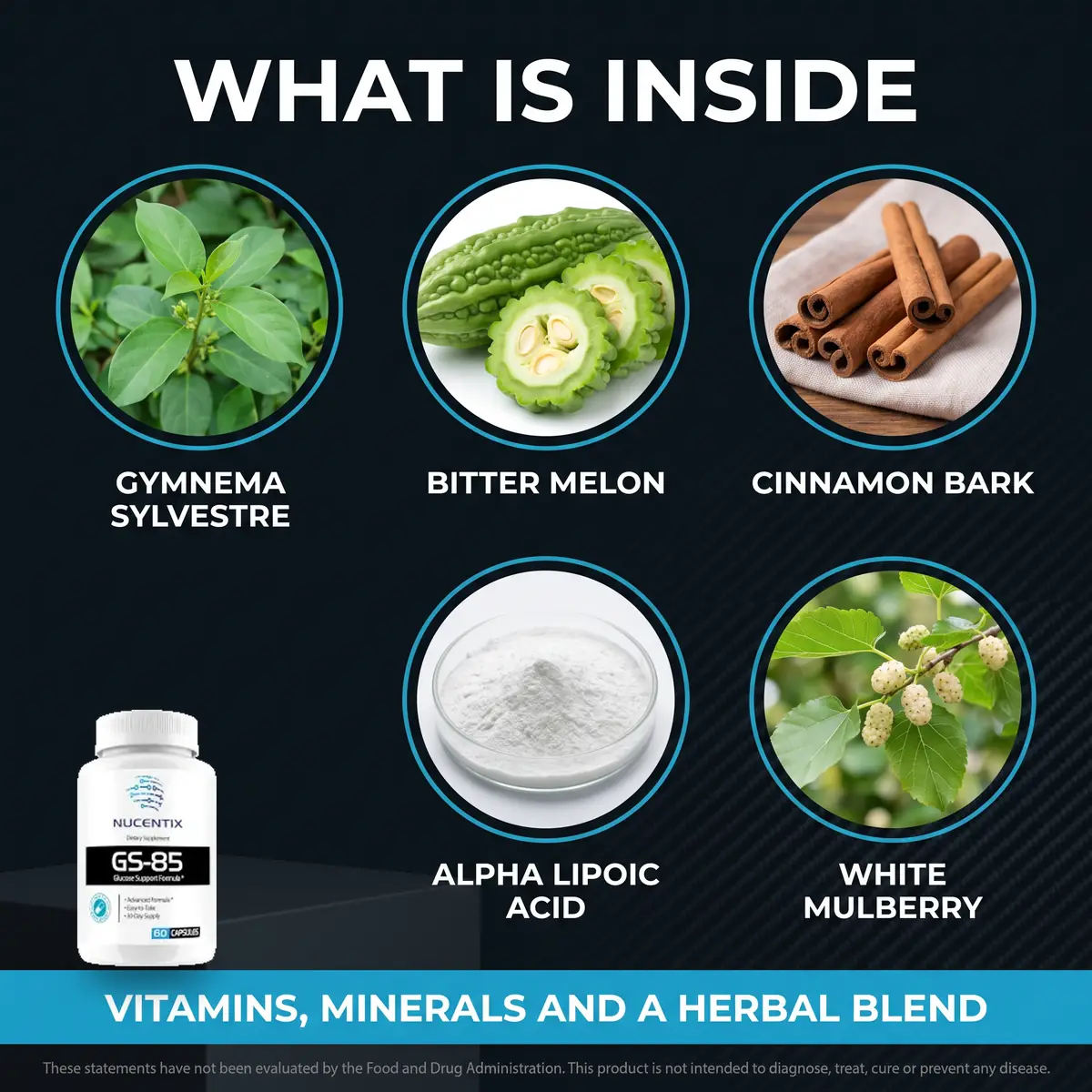
Banaba leaf and corosolic acid may be the most interesting blood-sugar ingredient you have never heard of. While cinnamon and chromium get the headlines, banaba is a quiet workhorse of the glucose-support world — a tropical leaf with centuries of traditional use and a well-characterised active compound that researchers keep coming back to. It shows up in the botanical blend of many glucose formulas, including Nucentix GS-85, precisely because that active, corosolic acid, has a mechanism worth understanding. This guide covers what banaba is, how corosolic acid is studied to work, why standardization is the number that actually matters, what doses research has used, and how to read banaba on a supplement label.
What is banaba leaf?
Banaba is the common name for Lagerstroemia speciosa, a flowering tree native to the Philippines, India and tropical Southeast Asia — a close relative of the ornamental crape myrtle grown in warmer gardens worldwide. For generations, its leaves have been brewed into a tea in Philippine folk medicine and used to support healthy blood sugar, which is why banaba is sometimes nicknamed the “plant insulin” or “insulin tree” in traditional accounts. That folk reputation is what first drew modern researchers to look at what, chemically, might be going on inside the leaf.
What they found is a leaf unusually rich in bioactive compounds — most notably a triterpene called corosolic acid, along with a family of tannins known as ellagitannins. Together these give banaba a distinct profile among glucose botanicals, one that complements rather than duplicates the actives in ingredients like cinnamon or gymnema.
How corosolic acid works: the mechanism in plain English
Here is the part most people want to understand. After a meal, glucose enters the bloodstream, and your cells pull it in using tiny protein channels called glucose transporters (the best known is GLUT4). Normally, insulin is the signal that tells these transporters to move to the cell surface and start ferrying glucose inside.
The “insulin-like” action
In laboratory research, corosolic acid has been described as having an insulin-like effect: it appears to support the movement of glucose transporters to the cell membrane, helping cells take up glucose more readily. This is why older literature reached for the “plant insulin” label. It is important to be precise: this does not mean banaba is insulin or can replace it — it means the compound is studied for supporting the same everyday process the body already uses to move glucose out of the blood and into tissues that burn it.
Ellagitannins and post-meal glucose
Corosolic acid is not banaba’s only story. The leaf’s ellagitannins — compounds such as lagerstroemin — have also been studied for glucose-related activity, and some research has looked at banaba for supporting healthy post-meal glucose handling and for gentle effects on how carbohydrates are digested. As always, the compliant framing matters: banaba is a traditional-use botanical studied for supporting healthy blood sugar that is already within a normal range. It is not a treatment, cure or replacement for medical care for any condition, and results in human studies vary.
Banaba leaf inside a full glucose blend
Nucentix GS-85 combines banaba leaf with gymnema, bitter melon, cinnamon, chromium and biotin — a focused daily glucose-support routine, backed by a 60-day guarantee.
See Nucentix GS-85 PackagesStandardization: the number that actually matters
This is where banaba label-reading pays off, and it is different from reading a vitamin or mineral. A raw banaba leaf can vary enormously in how much corosolic acid it contains, depending on the tree, the growing conditions and the harvest. That is why quality extracts are standardized — processed and tested so that each batch delivers a guaranteed percentage of the active. The most common standardizations you will see are 1% or 2% corosolic acid, though more concentrated extracts exist.
The practical takeaway: the total milligrams of “banaba leaf” on a label tell you far less than the standardized corosolic acid content. Two products can both list, say, 50 mg of banaba, but a 2%-standardized extract delivers twice the active of a 1% one — and an unstandardized “banaba leaf powder” could deliver almost anything. When you compare products, hunt for the standardization figure first. For the wider framework on forms, extract ratios and proprietary blends, see our guide on how to read a blood sugar supplement label.
How much banaba or corosolic acid is used?
There is no single official dose for banaba, but the research offers a useful range. Human studies have often centred on roughly 10 to 48 mg of corosolic acid per day, sometimes taken in divided doses around meals to line up with the post-meal glucose rise. Because supplements express banaba differently — some list total leaf extract, some list the standardized active — the honest way to compare is to work back to the corosolic acid amount whenever the label lets you.
Banaba is also frequently combined with other actives rather than used alone, which is the norm for botanicals in a glucose formula. In a blend, each ingredient contributes a smaller, complementary amount rather than a mega-dose of any one thing — the goal is coverage across several pathways, not brute force on a single one.
What to look for on a banaba label
- ✓The botanical name — Lagerstroemia speciosa, so you know you are getting genuine banaba, not a look-alike.
- ✓The plant part — it should say leaf, which is where the corosolic acid is concentrated.
- ✓A standardized corosolic acid percentage — the single most important marker of a quality banaba extract.
- ✓Sensible company — banaba paired with recognised co-actives and an honest, fully disclosed serving, rather than buried in an unquantified “proprietary” dust.
Banaba is a team player, not a solo act
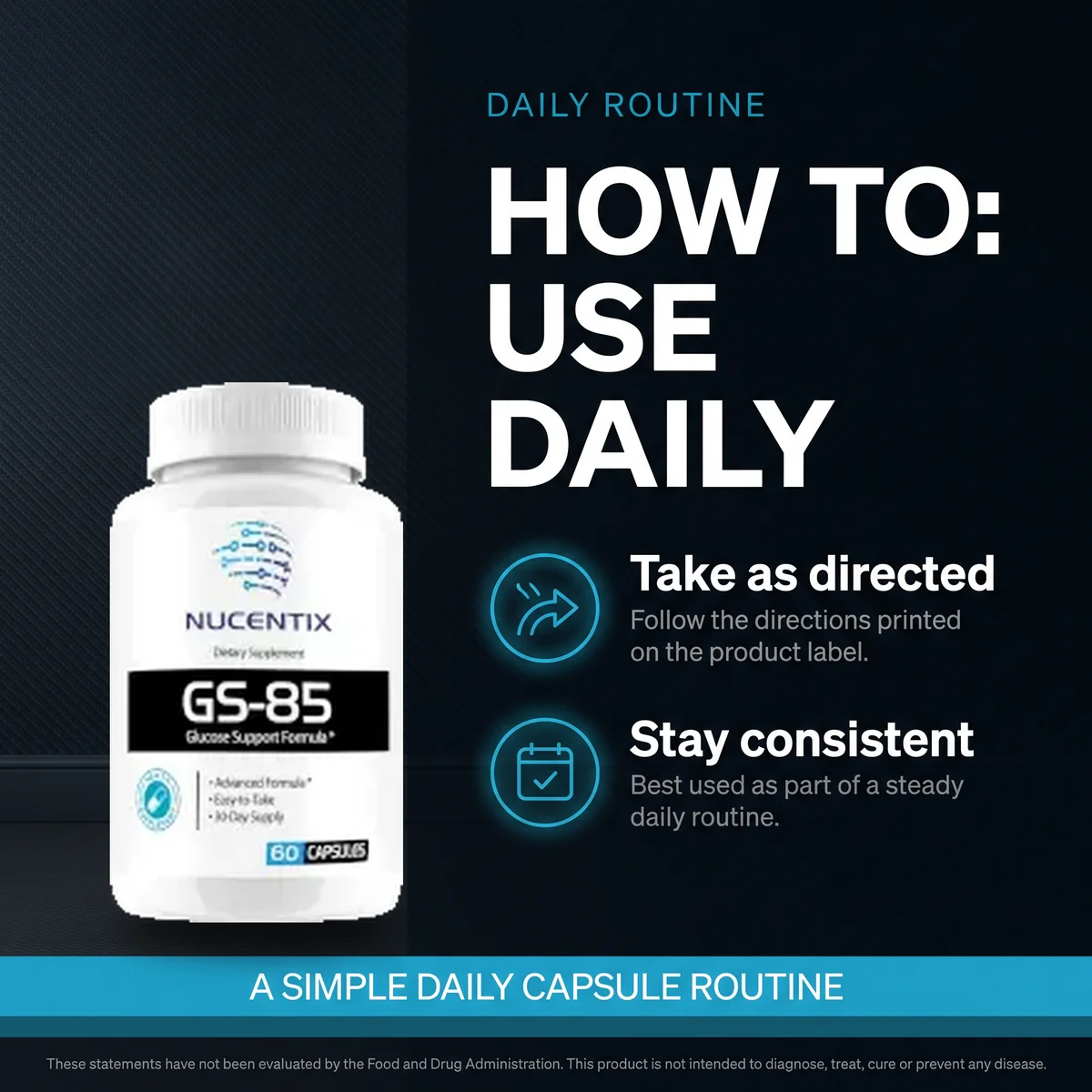
The most useful way to think about banaba is as one botanical in a coordinated blend rather than a stand-alone answer. It works best stacked with the fundamentals — protein and fibre at meals, a short walk after eating, decent sleep — and alongside complementary actives that hit glucose metabolism from different angles. In Nucentix GS-85, banaba sits beside gymnema sylvestre, bitter melon, cinnamon bark and white mulberry, plus the trace mineral chromium and the B-vitamin biotin. Because corosolic acid’s insulin-like mechanism differs from, say, gymnema’s sugar-craving angle or chromium’s role in insulin signalling, combining them gives broader coverage than any single ingredient could. For the food-and-lifestyle foundation underneath it all, see how to support healthy blood sugar naturally.
Make banaba part of your daily routine
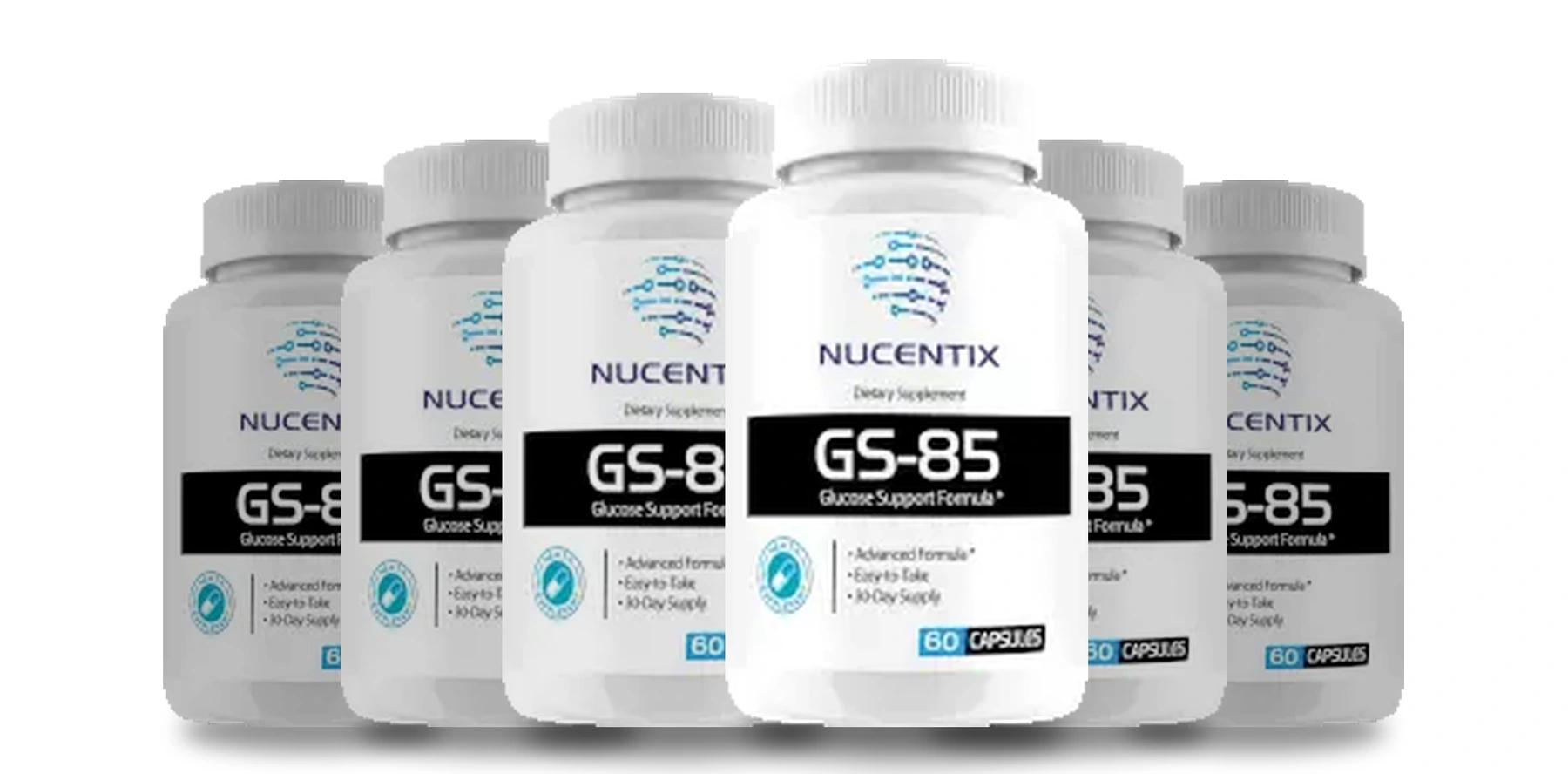
The 3-bottle and 6-bottle packages keep you consistent so you never pause mid-routine — the 6-bottle option is the best value and ships free in the U.S. Or see today’s pricing on the official store.
Order Nucentix GS-85† These statements have not been evaluated by the FDA. Nucentix GS-85 is not intended to diagnose, treat, cure or prevent any disease, and is not a treatment for diabetes. This article is for general information only and is not medical advice. If you have a medical condition or take medication, talk to your doctor before starting any supplement.
Frequently asked questions
What is banaba leaf and what does it do for blood sugar?
Banaba (Lagerstroemia speciosa) is a tropical tree whose leaves have been used in Philippine and Southeast Asian traditional medicine, often as a tea, to support healthy blood sugar. Its most-studied active is corosolic acid, which researchers have examined for supporting the body’s normal uptake of glucose into cells. It is a traditional-use botanical for healthy blood sugar already in a normal range, not a treatment for any condition.
What is corosolic acid and how does it work?
Corosolic acid is a triterpene compound concentrated in banaba leaves. In laboratory research it has been described as having an insulin-like action, appearing to support the movement of glucose transporters to the cell surface so cells can take up glucose more readily. Banaba also contains ellagitannins such as lagerstroemin that are studied for similar effects.
How much banaba or corosolic acid is typically used?
Banaba extracts are usually standardized to a set percentage of corosolic acid, commonly 1% to 2%. Human studies have often used roughly 10 to 48 mg of corosolic acid per day. On a label, the useful number is the standardized corosolic acid content, not just the total milligrams of banaba leaf, because that is what tells you the active dose.
What should I look for on a banaba supplement label?
Look for the botanical name (Lagerstroemia speciosa), the plant part (leaf), and a standardized corosolic acid percentage rather than a vague “banaba” entry. Standardization is the sign of a quality extract, because the raw leaf can vary a lot in active content from batch to batch.
Is banaba leaf safe to take every day?
Banaba leaf has a long traditional-use history and standardized extracts are widely used in glucose-support supplements. As with any botanical, if you take medication, are pregnant or breastfeeding, or manage a health condition, check with your doctor first, since ingredients that support glucose metabolism can add to the effect of other measures you are already taking.
References
1. National Institutes of Health, National Library of Medicine (PubMed) — Corosolic acid and banaba (Lagerstroemia speciosa) research overview. pubmed.ncbi.nlm.nih.gov — corosolic acid
2. LiverTox (NIH/NIDDK), Clinical and Research Information on Drug-Induced Liver Injury — Banaba (Lagerstroemia speciosa). ncbi.nlm.nih.gov/books — banaba
3. Memorial Sloan Kettering Cancer Center, About Herbs database — Banaba. mskcc.org — banaba
4. National Center for Complementary and Integrative Health (NIH) — Dietary and Herbal Supplements. nccih.nih.gov/health/dietary-and-herbal-supplements
About the Nucentix Research Team
The Nucentix Research Team is an independent group of nutrition and wellness writers who review the science behind common blood-sugar ingredients and translate it into plain language. We read the primary sources, cite them openly, and keep our guidance general and traditional-use focused — never a substitute for personalised medical advice. Our aim is simple: help you become a sharper label-reader so your money goes toward formulas that are actually built to support healthy, everyday glucose metabolism.