Fenugreek Benefits for Blood Sugar: 4-Hydroxyisoleucine, Fibre & Dose
| What it is | Fenugreek (Trigonella foenum-graecum) is a culinary and medicinal seed used for centuries in South Asian and Middle Eastern cooking. |
| What it does for blood sugar | Its soluble fibre slows carbohydrate digestion after meals, and the amino acid 4-hydroxyisoleucine is studied for supporting insulin activity. |
| How much | Traditional use ranges from a few grams of seed powder to 5–10 g/day; standardized extracts use far less. No official Daily Value exists. |
| On the label | Look for the milligram amount, whether it is a standardized extract, and which plant part is used — not a percent DV. |
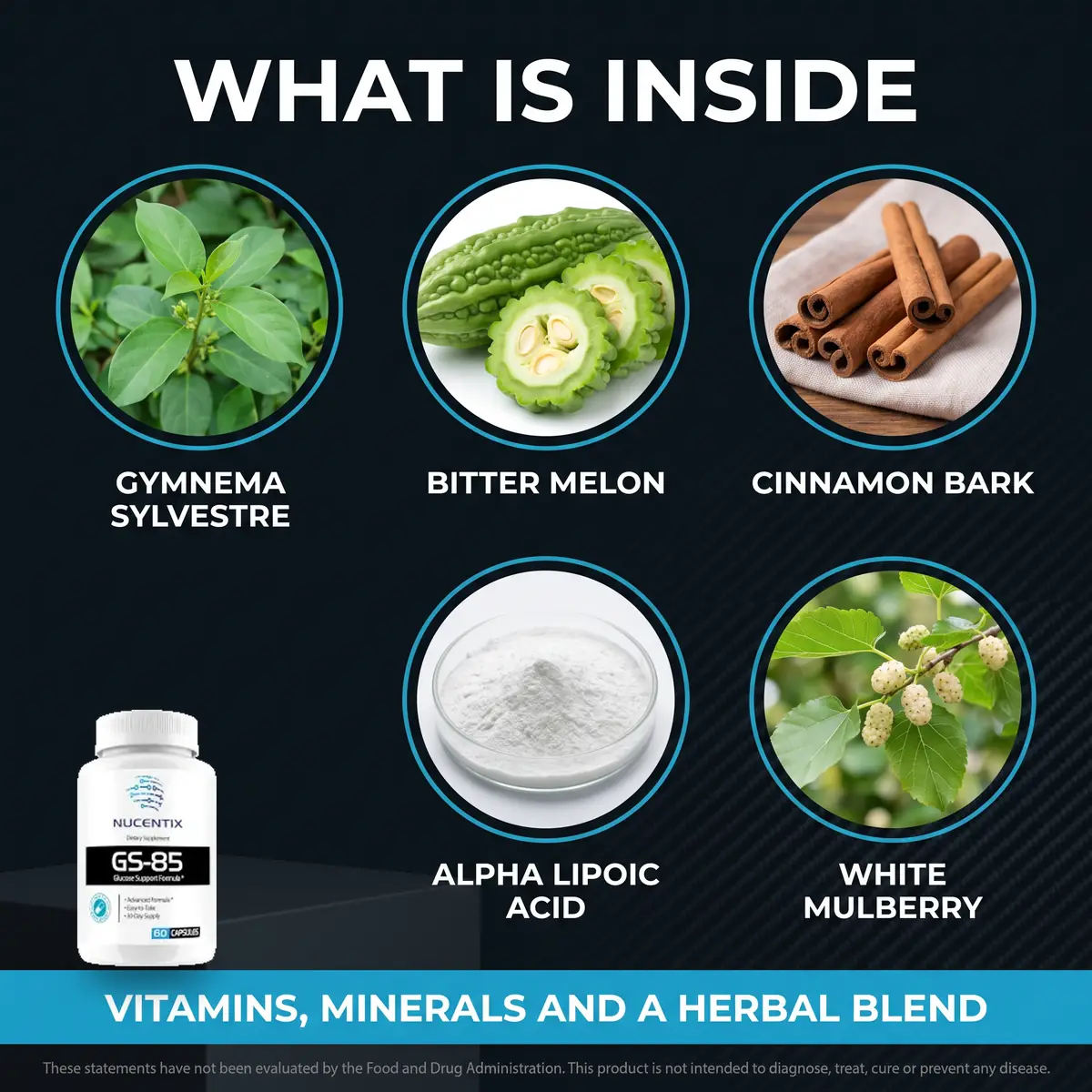
Fenugreek benefits for blood sugar come down to two things happening at once: a fibre that physically slows your meal down, and a rare plant amino acid that has caught researchers’ attention for the way it interacts with insulin. Fenugreek is not a modern invention — the small, golden, faintly maple-scented seeds have flavoured curries and breads for thousands of years, and traditional medicine systems have long reached for them around meals. This guide unpacks what fenugreek actually is, the mechanism behind its blood-sugar reputation, how it has traditionally been dosed, and how to judge it on a supplement label. It sits comfortably beside our guides to gymnema sylvestre and bitter melon, two botanicals fenugreek is frequently blended with.
What is fenugreek, and why does it show up in glucose formulas?
Fenugreek is a legume — a relative of peas and clover — and it is the seed that matters most for blood-sugar interest. Weigh out a spoonful and roughly half of it is fibre, a large share of which is the sticky, water-loving soluble kind. That composition is unusual for a spice and is the first clue to how fenugreek behaves in the gut. Alongside the fibre, the seeds carry saponins, the bitter compound that gives them their character, and the standout molecule most often named in the research: 4-hydroxyisoleucine, an amino acid that is rare in nature and largely unique to fenugreek.
Because it delivers two different mechanisms in a single food-grade seed, fenugreek is a natural fit for glucose-support blends. It is worth stating plainly and compliantly up front: fenugreek is studied for supporting blood sugar that is already within a normal range and for a healthy response to meals — it is not a treatment for diabetes or any medical condition, and no responsible label should imply otherwise.
Fenugreek benefits for blood sugar: the mechanism, in plain English
Two levers do most of the work, and they operate at different moments of a meal.
1. Soluble fibre slows the meal down
When fenugreek’s soluble fibre meets water in your stomach and small intestine, it swells into a viscous gel. That gel does something simple but useful: it slows the rate at which the stomach empties and puts a little physical distance between digestive enzymes and the starch in your meal. The result is that glucose trickles into the bloodstream more gradually rather than arriving as a sharp post-meal spike. This is the same broad principle behind why fibre-rich meals feel steadier — a theme we explore in depth in our guide to whether fibre helps blood sugar. It is a mechanical effect, not a drug effect, which is part of what makes it appealing for everyday use.
2. 4-hydroxyisoleucine and insulin activity
The second lever is biochemical. 4-hydroxyisoleucine has been studied for its apparent ability to support the pancreas’s insulin response — in essence, encouraging a more efficient release of insulin when glucose is present. This is an active area of research rather than a settled claim, and the effect studied in laboratory and early human work should not be oversold. But it is the reason fenugreek is often described as doing something extra beyond its fibre, and why standardized extracts sometimes concentrate on this compound.
How much fenugreek is typically used?
Here is an honest answer: there is no official Adequate Intake or Recommended Dietary Allowance for fenugreek, because it is a botanical, not an essential nutrient. Traditional use and study protocols have ranged widely — from a couple of grams of whole seed powder stirred into food, up to five to ten grams or more per day of ground seed in some studies. Standardized extracts, which concentrate the active compounds, are used in much smaller milligram amounts. That range is why the number on a label only means something in context: a gram of raw seed powder and a few hundred milligrams of a concentrated extract are not the same thing, even though both say “fenugreek.” As always, if you take medication or manage a health condition, confirm any dose with your doctor first — fenugreek can interact with some drugs and is not recommended during pregnancy.
A botanical blend built for daily support
Nucentix GS-85 combines a 12-herb botanical blend with 152 mcg of chromium and 600 mcg of biotin — a two-capsule daily routine designed to sit alongside fibre-rich, fenugreek-friendly meals, backed by a 60-day guarantee.
See Nucentix GS-85 PackagesWhole seed vs standardized extract: what to look for on a label
Because there is no percent Daily Value to anchor to, judging fenugreek on a label comes down to a few practical questions:
- ✓Which plant part? The seed is where the fibre and 4-hydroxyisoleucine live. “Fenugreek seed” is more meaningful than a vague “fenugreek” with no part named.
- ✓Whole powder or extract? A whole-seed powder relies on volume for its fibre effect; a standardized extract concentrates specific actives into a smaller dose. Neither is automatically better — but the label should make clear which you are getting.
- ✓Is there a standardization figure? Some extracts state a percentage of a marker such as saponins or 4-hydroxyisoleucine. That number tells you the batch is measured, not merely present.
- ✓Is the amount disclosed? An honest milligram figure beats a vague “proprietary blend” that hides how much fenugreek is actually in the capsule.
This is the same label-reading discipline we apply to every ingredient. If you want the full method — serving size, forms, percent DV and the red flags — our companion guide on how to read a blood sugar supplement label walks through a real panel line by line.

A note on taste, tolerance and who uses it
Fenugreek has a long track record as food, which is reassuring, and it is generally well tolerated. The two things people notice most are sensory: a distinctive, slightly bitter, maple-like flavour, and occasionally a faint maple-syrup smell to sweat or urine that is harmless. Because it is so fibre-rich, larger amounts of whole seed can cause mild gas or bloating as your gut adjusts — introducing it gradually and with plenty of water helps. It has traditionally been used by adults who want a food-first way to steady the response to carbohydrate-heavy meals, which is exactly the everyday, non-medical context this whole category lives in.
Where fenugreek fits in a well-built formula
The most useful way to see fenugreek is as one instrument in an ensemble, not a soloist. Its fibre-plus-amino-acid approach is genuinely different from how the other popular botanicals work — gymnema acts through gymnemic acids that dull sweet taste and support the pancreas, cinnamon works through polyphenols, and bitter melon through charantin and polypeptide-p. Layer in the mineral bedrock of chromium and the fundamentals of a good plate, and you have a strategy that comes at glucose from several angles at once. That is the logic behind a multi-ingredient formula like Nucentix GS-85, which builds its 12-herb blend around complementary actives rather than betting everything on a single herb.
Keep your routine consistent
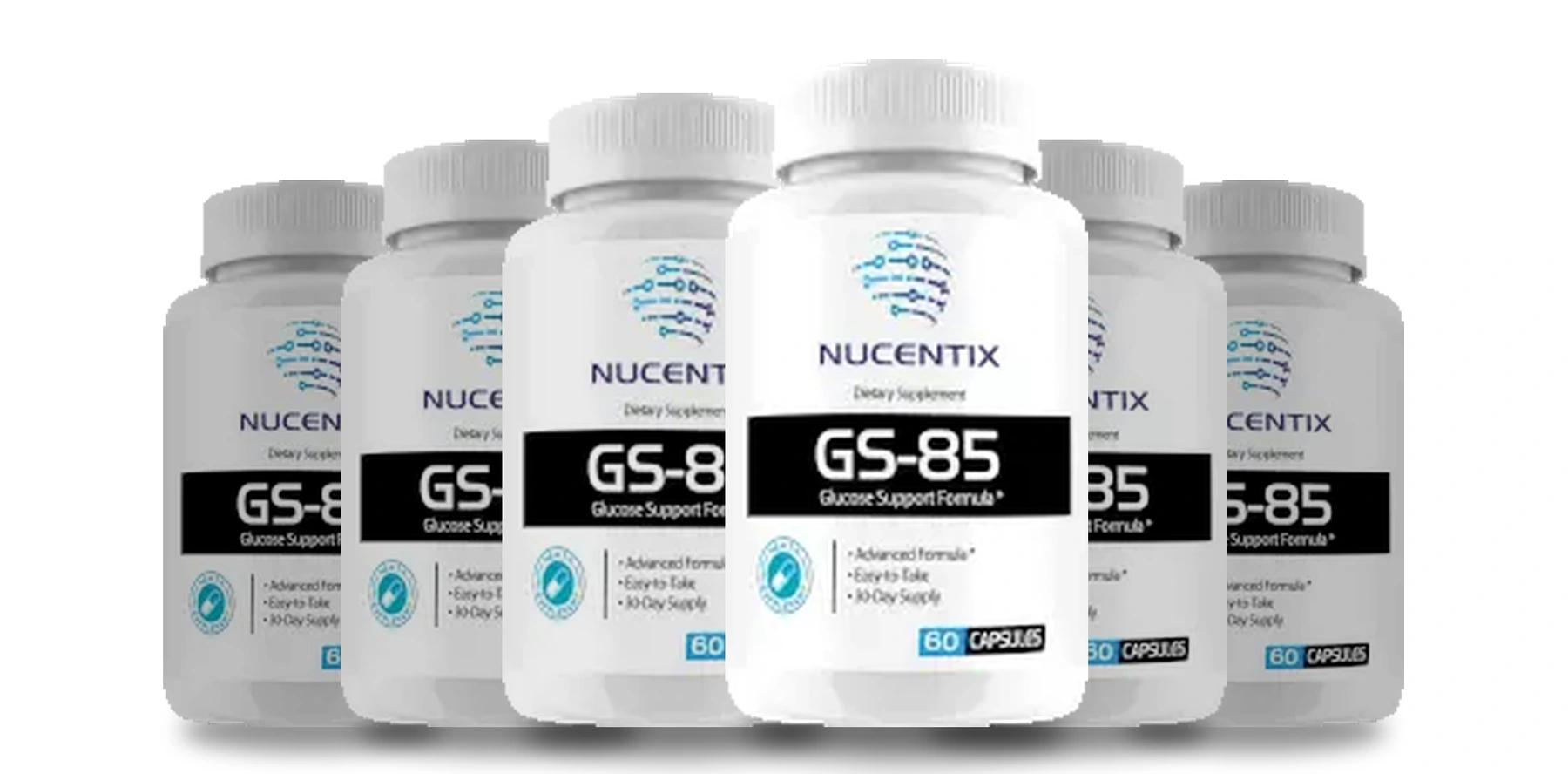
The 3-bottle and 6-bottle packages keep you stocked so you never pause mid-routine — the 6-bottle option is the best value and ships free in the U.S.
Order Nucentix GS-85† These statements have not been evaluated by the FDA. Nucentix GS-85 is not intended to diagnose, treat, cure or prevent any disease, and is not a treatment for diabetes. This article is for general information only and is not medical advice. If you have a medical condition, take medication, or are pregnant, talk to your doctor before starting any supplement.
Frequently asked questions
What are the benefits of fenugreek for blood sugar?
Fenugreek seed is rich in soluble fibre, which forms a gel that slows how quickly a meal’s carbohydrate is digested and absorbed, blunting the post-meal spike. It also contains a rare amino acid, 4-hydroxyisoleucine, that has been studied for its effect on insulin activity. Together these are why fenugreek is a traditional and popular ingredient for supporting healthy, steady blood sugar.
How much fenugreek is typically used?
Traditional use and study protocols vary widely, from a couple of grams of whole seed powder up to five to ten grams or more per day, while standardized extracts are used in much smaller amounts. There is no official Daily Value for fenugreek, so on a label you are judging the milligram amount and whether the extract is standardized, not a percent DV.
Is fenugreek the same as the other blood sugar herbs?
No. Fenugreek works largely through soluble fibre and 4-hydroxyisoleucine, whereas gymnema works through gymnemic acids, cinnamon through polyphenols, and bitter melon through charantin and polypeptide-p. They approach blood sugar from different angles, which is why well-built formulas often combine several complementary botanicals rather than relying on one.
Does fenugreek have side effects?
Fenugreek is a culinary spice with a long history of food use and is generally well tolerated. Some people notice a maple-syrup smell, mild digestive changes from the fibre, or a distinct taste. Because it can interact with certain medications and is not recommended in pregnancy, anyone taking prescription drugs or who is pregnant should check with a doctor first.
Does fenugreek replace diet and exercise for blood sugar?
No. Fenugreek is a supporting botanical, not a substitute for the fundamentals. Balanced meals, fibre, movement, sleep and stress management do the heavy lifting; fenugreek and other actives are meant to complement those habits and support blood sugar that is already within a healthy range.
References
1. National Center for Complementary and Integrative Health (NIH) — Fenugreek. nccih.nih.gov/health/fenugreek
2. National Center for Biotechnology Information, StatPearls — Fenugreek. ncbi.nlm.nih.gov/books/NBK589640
3. U.S. Department of Agriculture, FoodData Central — Spices, fenugreek seed. fdc.nal.usda.gov
4. Harvard T.H. Chan School of Public Health, The Nutrition Source — Fiber. nutritionsource.hsph.harvard.edu/carbohydrates/fiber
About the Nucentix Research Team
The Nucentix Research Team is an independent group of nutrition and wellness writers who review the science behind common blood-sugar ingredients and translate it into plain language. We read the primary sources, cite them openly, and keep our guidance general and traditional-use focused — never a substitute for personalised medical advice. Our aim is simple: help you become a sharper label-reader so your money goes toward formulas that are actually built to support healthy, everyday glucose metabolism.